Ryan Barras: Leading Operational Resilience, Governance, and Cybersecurity Transformation
Most cybersecurity conversations begin with technology. Ryan Barras believes they should begin somewhere else entirely.
“The biggest risks organizations face today are rarely just technical problems,” Ryan explains. “They’re leadership, operational, and decision-making challenges that happen to surface through technology.”
That perspective has shaped Ryan’s career for more than fifteen years across healthcare, Fortune 500 enterprises, consulting, multinational operations, and executive governance leadership. While many cybersecurity leaders focus narrowly on security operations or compliance requirements, Ryan’s work has consistently centered on a broader question:
How do organizations remain resilient in periods of constant disruption?
It is a question becoming increasingly relevant as businesses navigate cyber threats, operational volatility, AI adoption, regulatory pressure, geopolitical instability, and rapidly changing economic conditions.
For Ryan, cybersecurity is only one piece of a much larger leadership challenge.
Resilience Is Becoming a Core Business Capability
Across industries, organizations are discovering that resilience is no longer limited to disaster recovery plans or crisis response exercises.
It is becoming a defining measure of organizational maturity.
“The organizations that succeed over the next decade will be the ones that can absorb disruption, adapt quickly, and continue operating effectively under pressure,” Ryan says. “That requires much more than security controls.”
Throughout his career, Ryan has helped organizations modernize governance structures, strengthen operational resilience, improve enterprise risk visibility, and align cybersecurity initiatives with broader business priorities.
His leadership experience spans healthcare systems, financial services-related operations, enterprise governance transformation, third-party ecosystem oversight, and multinational operational environments. That cross-functional exposure gave him a perspective uncommon among traditional cybersecurity leaders.
Rather than viewing organizations through a purely technical lens, Ryan approaches them as interconnected operational systems where leadership alignment, governance maturity, communication, and adaptability all directly influence resilience.
Learning From Complexity
Earlier in his career, Ryan worked in international business development and multinational stakeholder collaboration across Europe, Latin America, and the United States. Those experiences shaped how he thinks about organizational leadership today.
“When you work across industries, countries, and operational environments, you start to realize that complexity is unavoidable,” Ryan explains. “The question becomes whether organizations are structured to handle complexity effectively.”
That mindset later became foundational in his executive leadership roles supporting enterprise transformation, cyber risk governance, operational modernization, and resilience planning initiatives.
At organizations including Lennar Corporation, Mount Sinai Medical Center, and Cognizant, Ryan led initiatives involving crisis readiness, governance modernization, enterprise continuity planning, identity governance, third-party risk management, and operational maturity improvements.
But the focus was never simply technology implementation.
The focus was organizational evolution.
“Technology changes constantly,” Ryan says. “What matters long term is whether organizations can evolve their decision-making, governance, and operational capabilities quickly enough to keep pace.”
Why Governance Matters More Than Ever
Ryan believes many organizations still misunderstand governance.
Too often, governance is viewed as bureaucracy or compliance overhead rather than as a strategic capability that improves visibility, accountability, and organizational decision-making.
In reality, he sees governance as one of the most important stabilizing forces inside modern enterprises.
“Strong governance creates clarity,” Ryan explains. “It helps organizations make better decisions under pressure, prioritize effectively, and maintain alignment during periods of uncertainty.”
That philosophy has become increasingly important as executive teams face growing pressure surrounding AI adoption, third-party risk exposure, operational resilience expectations, and regulatory accountability.
Ryan believes future enterprise leaders will need to bridge multiple disciplines simultaneously, combining cybersecurity, operational risk, business continuity, governance, and strategic leadership into a more unified organizational model.
South Florida’s Emerging Leadership Ecosystem
Ryan also believes South Florida is uniquely positioned to become a major center for cybersecurity, resilience, and governance leadership.
The region’s diversity of industries, healthcare, aviation, finance, hospitality, technology, and global enterprise, creates an environment where professionals regularly exchange perspectives across very different operational realities.
That diversity, according to Ryan, is one of the community’s greatest strengths.
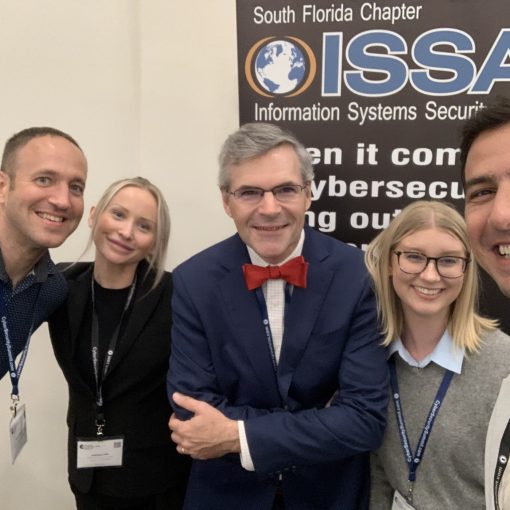
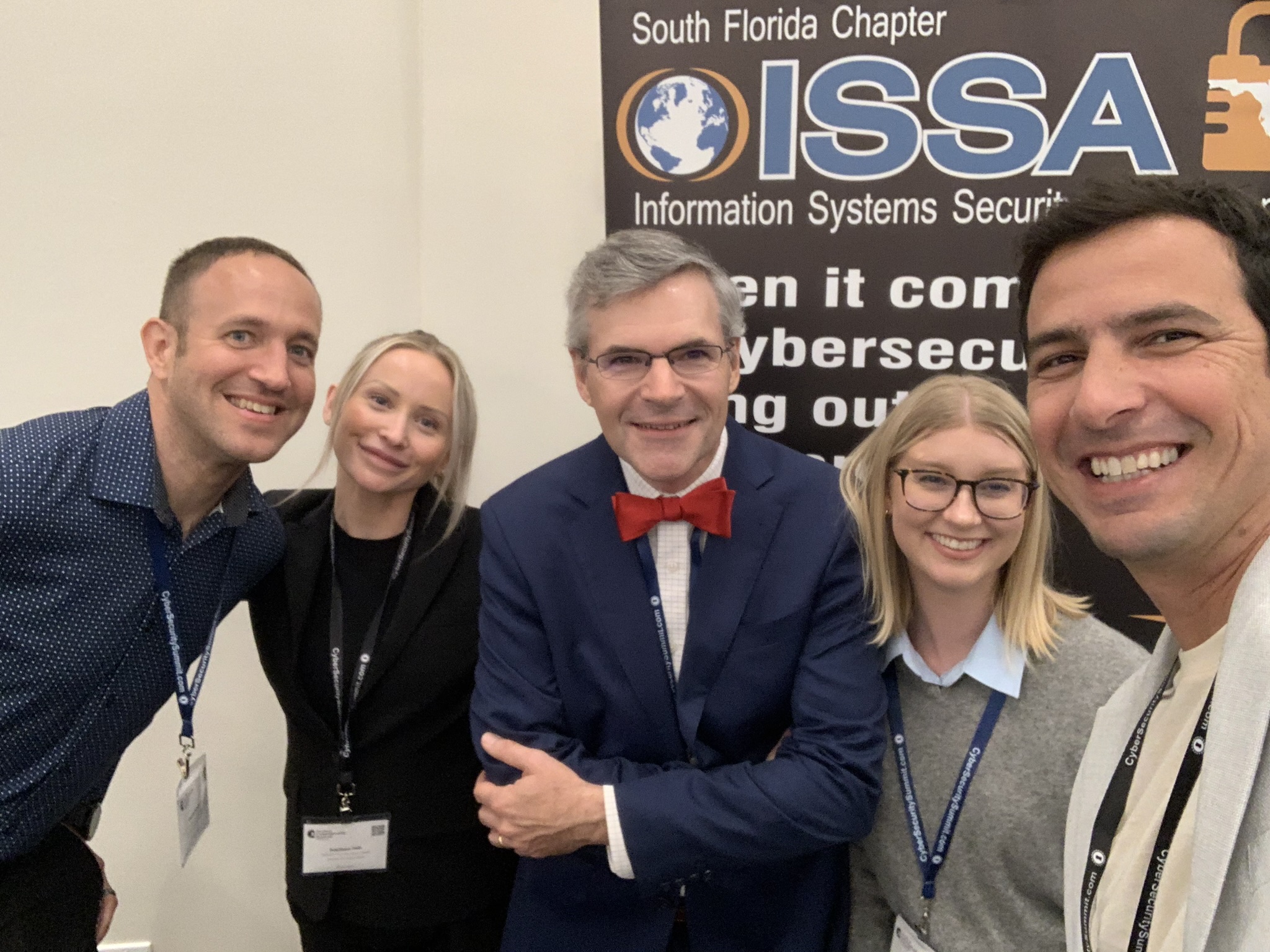
As President of ISACA South Florida, he has helped support one of the largest ISACA chapters in the country while fostering collaboration between security leaders, governance professionals, executives, consultants, and rising practitioners throughout the region.
“The strongest professional ecosystems are the ones where people genuinely invest in collective growth,” Ryan says. “South Florida has developed a culture where collaboration matters more than competition.”
The Future Belongs to Adaptive Leaders
As organizations continue navigating uncertainty, Ryan believes the role of leadership itself is changing.
Technical expertise will remain important, but adaptability, communication, strategic thinking, and operational awareness will increasingly separate effective leaders from ineffective ones.
“The future belongs to leaders who can connect people, priorities, risk, and strategy during periods of constant change,” Ryan explains. “That’s ultimately what resilience is.”
For Ryan, resilience is not simply about surviving disruption.
It is about building organizations capable of evolving through it.
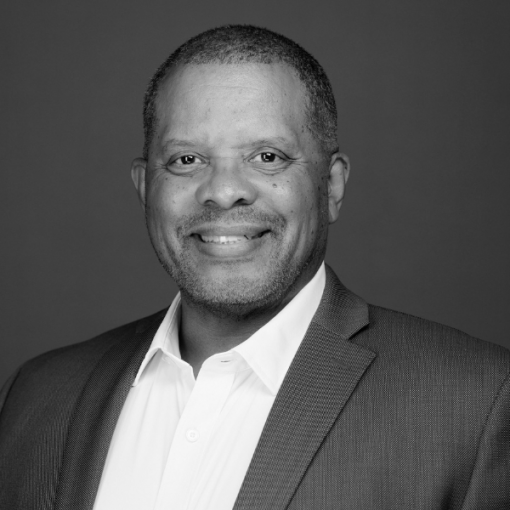
Ryan Barras
Enterprise Risk, Operational Resilience & Cybersecurity Executive
President, ISACA South Florida